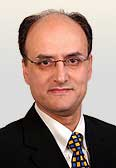
Dr. Behzad Habibi, MD
Physician
Neurology
Specialty
Clinical Neurophysiology
About Dr. Behzad Habibi, MD
Behzad Habibi is a board-certified neurologist providing providing care to patients in and around Connecticut at Assocaited Neurologists.
Dr. Habibi serves as Clinical Assistant Professor at the University of Vermont College of Medicine
Professional Affiliations
Dr. Habibi serves as Clinical Assistant Professor at the University of Vermont College of Medicine
Professional Affiliations
- American Medical Association (AMA)
- American Academy of Neurology (AAN)
- American Association of Electrodiagnostic Medicine (AAEM)
- Connecticut Neurological Society
Patient Education Resources
Can ADHD be managed without medication?
Attention-deficit/hyperactivity disorder (ADHD) can be managed without medication, although medication is often a common treatment option. Medications such as stimulants (e.g. Ritalin®, Adderall) ...
Attention-deficit/hyperactivity disorder (ADHD) can be managed without medication, although medication is often a common treatment option. Medications such as stimulants (e.g. Ritalin®, Adderall) ...
How do I know if my mother's forgetfulness has become Alzheimer's Disease
Alzheimer's disease is a progressive, degenerative disorder that affects memory, thinking, and behavior. It is the most common cause of dementia in older adults.Symptoms of Alzheimer's disease...
Alzheimer's disease is a progressive, degenerative disorder that affects memory, thinking, and behavior. It is the most common cause of dementia in older adults.Symptoms of Alzheimer's disease...
My father is taking levodopa for his Parkinson's Disease but his condition is worsening again. What can he do next?
Levodopa is the most commonly used medication for treating the symptoms of Parkinson's disease, it works by increasing the levels of dopamine in the brain, which can help to improve symptoms such ...
Levodopa is the most commonly used medication for treating the symptoms of Parkinson's disease, it works by increasing the levels of dopamine in the brain, which can help to improve symptoms such ...
What can I do for my child's frequent headaches?
Frequent headaches in children can be caused by a variety of factors, including stress, anxiety, poor sleep, and certain foods or drinks. Here are a few things you can do to help alleviate your child&...
Frequent headaches in children can be caused by a variety of factors, including stress, anxiety, poor sleep, and certain foods or drinks. Here are a few things you can do to help alleviate your child&...
What is disease-modifying therapy for multiple sclerosis?
Disease-modifying therapy (DMT) for multiple sclerosis (MS) is a type of treatment that aims to slow down the progression of the disease and reduce the frequency and severity of relapses. DMTs work by...
Disease-modifying therapy (DMT) for multiple sclerosis (MS) is a type of treatment that aims to slow down the progression of the disease and reduce the frequency and severity of relapses. DMTs work by...
Education & Training
- Medical Degree: Tehran University of Medical Sciences
- Internship in Internal Medicine: Brookdale University Hospital
- Residency in Internal Medicine: Montefiore Medical Center
- Residency in Neurology: Albert Einstein College of Medicine
- Fellowship in Clinical Neurophysiology: New York University