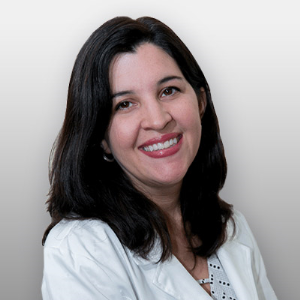
Medical Expertise of Amanda DiBenedetto, FNP-C
Amanda diagnoses and treats a variety of simple and complex skin conditions, including acne, eczema and skin cancder. Amanda is performs some minor skin surgery procedures and offers cosmetic procedures.
About Amanda DiBenedetto, FNP-C
Amanda DiBenedetto, FNP-C is a certified Nurse Practitioner and El Paso native providing dermatology care to patients in the El Paso area at Epiphany Dermatology.
Amanda has clinical experiece in a variety of areas, including medical/surgical nursing, family practice, pediatrics, obstetrics and gynecology.
Amanda has clinical experiece in a variety of areas, including medical/surgical nursing, family practice, pediatrics, obstetrics and gynecology.
Patient Education Resources
Does it cost more to get a tattoo or to have it removed?
The cost of getting a tattoo and the cost of having it removed can vary depending on several factors such as the size, location, and complexity of the tattoo, as well as the experience and reputation ...
The cost of getting a tattoo and the cost of having it removed can vary depending on several factors such as the size, location, and complexity of the tattoo, as well as the experience and reputation ...
Does the acne on my back and chest require different treatment from the acne on my face?
Truncal acne, which refers to acne that occurs on the trunk of the body (such as the chest and back), may require a slightly different treatment approach than facial acne. This is because the skin on ...
Truncal acne, which refers to acne that occurs on the trunk of the body (such as the chest and back), may require a slightly different treatment approach than facial acne. This is because the skin on ...
How can a dermatologist make me appear more youthful?
A dermatologist can make you appear more youthful by using a variety of treatments, such as:Topical creams and serums that contain ingredients like retinoids and hyaluronic acid to improve skin textur...
A dermatologist can make you appear more youthful by using a variety of treatments, such as:Topical creams and serums that contain ingredients like retinoids and hyaluronic acid to improve skin textur...
Psoriasis Medication Savings & Support
Click on the product image to access medication savings or support services offered by the manufacturer In most cases, this form must be submitted along with proof of having purchased the medi...
Click on the product image to access medication savings or support services offered by the manufacturer In most cases, this form must be submitted along with proof of having purchased the medi...
What can reduce the appearance of my acne scars?
Acne scars can be treated with a variety of methods, including:Topical treatments: Topical creams and gels containing ingredients such as retinoids, hydroquinone, and vitamin C can help to reduce the ...
Acne scars can be treated with a variety of methods, including:Topical treatments: Topical creams and gels containing ingredients such as retinoids, hydroquinone, and vitamin C can help to reduce the ...
Education & Training
- Bachelor Degree - Nursing: University of Texas
- Masters - Nursing, Family Nurse Practitioner Program: University of Texas
Epiphany Dermatology

Our dermatologists and dermatology Physician Assistants are exceptionally well-schooled at some of the finest medical and dermatology training programs in the country, including Harvard, Stanford, Mayo Clinic, University of Texas, University of Washington, and Washington University.
Epiphany Dermatology is a full-service dermatology practice that treats all conditions of the skin, hair, and nails. Given the high risk of skin cancer, we place special emphasis on skin cancer prevention, screenings, and treatment. According to the American Academy of Dermatology 1 in 5 are likely to get skin cancer. However, cure rates can approach 99% if discovered and treated early.
Epiphany Dermatology is a full-service dermatology practice that treats all conditions of the skin, hair, and nails. Given the high risk of skin cancer, we place special emphasis on skin cancer prevention, screenings, and treatment. According to the American Academy of Dermatology 1 in 5 are likely to get skin cancer. However, cure rates can approach 99% if discovered and treated early.