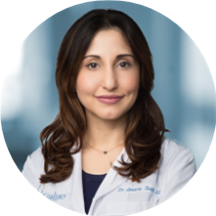
Medical Expertise of Dr. Amara Sayed, DO
Diagnosis and treatment of skin conditions, including acne, eczema, rosacea, psoriasis and skin cancer.
About Dr. Amara Sayed, DO
Dr. Sayed is a native of Miami, and prior to medical school, attended the University of Miami where she graduated cum laude with a B.S. in Biology. She went on to Nova Southeastern College of Osteopathic Medicine in Fort Lauderdale, Florida; and after graduation, completed a family practice residency and became board certified as a Family Physician. Dr. Sayed then completed her Dermatology residency and served as Chief Resident at Columbia Hospital in West Palm Beach, Florida.
Dr. Sayed specializes in medical, surgical and cosmetic dermatology, caring for children, adults and the elderly. She is currently working on multiple research articles. Dr. Sayed is an advocate for her patients, and strongly focuses on education, prevention and treatment of dermatological conditions and skin cancers.
Patient Education Resources
Does Coolsculpting® really work?
CoolSculpting® is a non-surgical, non-invasive procedure that uses a device to cool targeted areas of fat, causing the fat cells to freeze and die. Over time, the body naturally eliminates these d...
CoolSculpting® is a non-surgical, non-invasive procedure that uses a device to cool targeted areas of fat, causing the fat cells to freeze and die. Over time, the body naturally eliminates these d...
Does the food I eat affect my acne?
There is some evidence to suggest that diet can play a role in the development of acne. Studies have found that a diet high in sugar and processed foods can increase the risk of developing acne. Diets...
There is some evidence to suggest that diet can play a role in the development of acne. Studies have found that a diet high in sugar and processed foods can increase the risk of developing acne. Diets...
Eczema Medication Savings & Support Programs
Click on the product image below to access medication savings or patient support programs from the manufacturer. In some cases, a form must be submitted along with proof of having purchased the med...
Click on the product image below to access medication savings or patient support programs from the manufacturer. In some cases, a form must be submitted along with proof of having purchased the med...
How can a dermatologist make me appear more youthful?
A dermatologist can make you appear more youthful by using a variety of treatments, such as:Topical creams and serums that contain ingredients like retinoids and hyaluronic acid to improve skin textur...
A dermatologist can make you appear more youthful by using a variety of treatments, such as:Topical creams and serums that contain ingredients like retinoids and hyaluronic acid to improve skin textur...
What is the treatment for rosacea affecting my eyes?
Ocular rosacea is a subtype of rosacea that affects the eyes, and it can cause symptoms such as redness, itching, burning, and a gritty sensation in the eyes. Treatment for ocular rosacea typically in...
Ocular rosacea is a subtype of rosacea that affects the eyes, and it can cause symptoms such as redness, itching, burning, and a gritty sensation in the eyes. Treatment for ocular rosacea typically in...