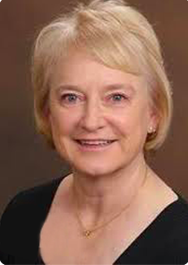
About Dr. Deborah Mendelson, MD
Dr. Deborah Mendelson is a Board Certified Dermatologist and Dermatopathologist who brings experience, expertise and compassion to the treatment of her patients. She received her medical degree and completed her Dermatology residency at Ohio State School of Medicine. Three additional years of Dermatopathology training were taken at Duke University and University of North Carolina.
Dr. Mendelson is a Diplomate of the American Board of Dermatology and is a Fellow of the American Academy of Dermatology. She specializes in Medical and Surgical Dermatology with an emphasis on the prevention and treatment of sun damage and aging. Her initial internship in Pediatrics ensures that infants and children are welcome in her practice.
Patient Education Resources
Does Coolsculpting® really work?
CoolSculpting® is a non-surgical, non-invasive procedure that uses a device to cool targeted areas of fat, causing the fat cells to freeze and die. Over time, the body naturally eliminates these d...
CoolSculpting® is a non-surgical, non-invasive procedure that uses a device to cool targeted areas of fat, causing the fat cells to freeze and die. Over time, the body naturally eliminates these d...
How can a dermatologist make me appear more youthful?
A dermatologist can make you appear more youthful by using a variety of treatments, such as:Topical creams and serums that contain ingredients like retinoids and hyaluronic acid to improve skin textur...
A dermatologist can make you appear more youthful by using a variety of treatments, such as:Topical creams and serums that contain ingredients like retinoids and hyaluronic acid to improve skin textur...
How can I reduce the skin redness caused by rosacea?
There are several ways to reduce the skin redness caused by rosacea:Avoiding triggers: Triggers such as sun exposure, wind, high temperatures, stress, spicy foods, and alcohol, can worsen the symptoms...
There are several ways to reduce the skin redness caused by rosacea:Avoiding triggers: Triggers such as sun exposure, wind, high temperatures, stress, spicy foods, and alcohol, can worsen the symptoms...
How do I find out if I have skin cancer?
The best way to find out if you have skin cancer is to have a skin examination performed by a healthcare professional such as a dermatologist. They will visually inspect your skin for any suspicious m...
The best way to find out if you have skin cancer is to have a skin examination performed by a healthcare professional such as a dermatologist. They will visually inspect your skin for any suspicious m...
How is atopic dermatitis different from eczema?
Atopic dermatitis and eczema are often used interchangeably, but they are not exactly the same thing. Atopic dermatitis is a type of eczema.Eczema is a general term that refers to a group of condition...
Atopic dermatitis and eczema are often used interchangeably, but they are not exactly the same thing. Atopic dermatitis is a type of eczema.Eczema is a general term that refers to a group of condition...