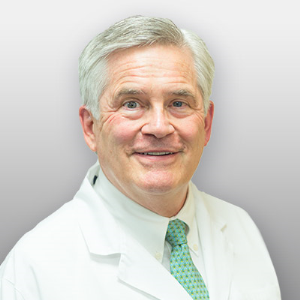
About Dr. Michael Maloney, MD
A New Orleans native, Dr. J. Michael Maloney is a board-certified dermatologist who is skilled in practicing medical, surgical, pediatric, and cosmetic dermatology.
Dr. Maloney has been a member and officer of numerous professional and medical societies including the American Academy of Dermatology, the American Cancer Society, the American Medical Association, and the American Society for Dermatologic Surgery amongst others.
He takes pride in teaching and has taught applicants for medical, nursing, and physician assistant school. He has mentored trainees in family medicine, internal medicine, dermatology, pharmacy, nurse practitioner, and physician assistant programs, as well as medical students and practicing physicians.
Dr. Maloney’s involvement in education and research/clinical trials has facilitated a host of publications in major dermatology journals. He has also demonstrated a strong interest in clinical research and participated in over 100 pharmaceutical and device studies, many of which are the new class of biologic therapies.
Dr. Maloney has been a member and officer of numerous professional and medical societies including the American Academy of Dermatology, the American Cancer Society, the American Medical Association, and the American Society for Dermatologic Surgery amongst others.
He takes pride in teaching and has taught applicants for medical, nursing, and physician assistant school. He has mentored trainees in family medicine, internal medicine, dermatology, pharmacy, nurse practitioner, and physician assistant programs, as well as medical students and practicing physicians.
Dr. Maloney’s involvement in education and research/clinical trials has facilitated a host of publications in major dermatology journals. He has also demonstrated a strong interest in clinical research and participated in over 100 pharmaceutical and device studies, many of which are the new class of biologic therapies.
Patient Education Resources
How can a dermatologist make me appear more youthful?
A dermatologist can make you appear more youthful by using a variety of treatments, such as:Topical creams and serums that contain ingredients like retinoids and hyaluronic acid to improve skin textur...
A dermatologist can make you appear more youthful by using a variety of treatments, such as:Topical creams and serums that contain ingredients like retinoids and hyaluronic acid to improve skin textur...
How do biologics work to treat my eczema?
Biologics are a class of medications that can be used to treat eczema, a chronic skin condition characterized by inflammation and itching. Biologics work by targeting specific parts of the immune syst...
Biologics are a class of medications that can be used to treat eczema, a chronic skin condition characterized by inflammation and itching. Biologics work by targeting specific parts of the immune syst...
What are some tips for treating dry skin?
Dry skin can be caused by a variety of factors, such as cold weather, low humidity, harsh soaps, and certain medical conditions. Here are some tips for treating dry skin:Moisturize: Moisturizing is th...
Dry skin can be caused by a variety of factors, such as cold weather, low humidity, harsh soaps, and certain medical conditions. Here are some tips for treating dry skin:Moisturize: Moisturizing is th...
What are the best sunscreens?
The best sunscreens are those that provide broad-spectrum protection, which means they protect against both ultraviolet A (UVA) and ultraviolet B (UVB) rays. They should also have an SPF (sun protecti...
The best sunscreens are those that provide broad-spectrum protection, which means they protect against both ultraviolet A (UVA) and ultraviolet B (UVB) rays. They should also have an SPF (sun protecti...
What is atopic dermatitis?
Atopic dermatitis, also known as eczema, is a chronic, inflammatory skin condition that causes dry, itchy, and scaly skin. The condition is characterized by symptoms such as:Dry, itchy skin: The skin ...
Atopic dermatitis, also known as eczema, is a chronic, inflammatory skin condition that causes dry, itchy, and scaly skin. The condition is characterized by symptoms such as:Dry, itchy skin: The skin ...
Education & Training
Dr. Maloney’s formal educational training includes:
University of Florida (Gainesville, FL) – BS, Biology
Tulane University (New Orleans, LA) – Medical School
University of Colorado (Denver, CO) – Family Medicine Internship
Charity Hospital of New Orleans, Tulane Division (New Orleans, LA) – Dermatology Residency (Chief Resident)
University of Florida (Gainesville, FL) – BS, Biology
Tulane University (New Orleans, LA) – Medical School
University of Colorado (Denver, CO) – Family Medicine Internship
Charity Hospital of New Orleans, Tulane Division (New Orleans, LA) – Dermatology Residency (Chief Resident)