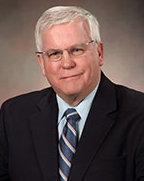
Medical Expertise of Dr. Scott Bennion, MD
About Dr. Scott Bennion, MD
Scott Desmond Bennion, MD is a board-certified dermatologist and internist and Associate Professor of Dermatology providing care to patients in Wyoming.
Dr. Scott Bennion, raised in Casper, graduated summa cum laude with a Bachelors in Science (BS) from the University of Wyoming prior to completing his Master's degree of Science from the University of Wyoming. He then went on to complete his medical degree (MD) at the University of Utah in 1975. After completing an internal medicine residency at the University of Rutgers, he finished a second residency in dermatology at Fitzsimmons Army Medical Center in Denver. He also completed a fellowship in Immunodermatology at the University of Colorado.
Dr. Bennion founded Central Wyoming Skin Clinic & Medical Skin Care to bring a new level of patient care to dermatology.
Dr. Bennion is Associate Professor of Dermatology, at the University of Colorado Health Science Center, Associate Professor of Medicine at the University of Washington Medical Center, and Clinical Assistant Professor in the Department of Medical Education at the University of Nevada School of Medicine.
Dr. Bennion is currently the President of Wyoming Academy of Dermatology and President of the Casper College Board of Trustees.
Patient Education Resources
Yes, you can switch biologic medications for psoriasis if one is not working effectively. Biologic medications are a class of drugs that target specific parts of the immune system that are involved in...
Psoriasis is a chronic skin condition that causes red, scaly patches on the skin. It affects about 2-3% of the population. People with psoriasis are at an increased risk of developing a form of arthri...
Acne scars can be treated with a variety of methods, including:Topical treatments: Topical creams and gels containing ingredients such as retinoids, hydroquinone, and vitamin C can help to reduce the ...
Ocular rosacea is a subtype of rosacea that affects the eyes, and it can cause symptoms such as redness, itching, burning, and a gritty sensation in the eyes. Treatment for ocular rosacea typically in...
The treatment for severe atopic dermatitis will depend on the individual case, but it may include a combination of the following:Topical corticosteroids: Topical corticosteroids can be used to reduce ...
Education & Training
- Residency: Fitzsimons Army Medical Center
- Internship: UMDNJ-Robert Wood Johnson Medical School
- Medical School: University of Utah School of Medicine
Professional Affiliations
Cental Wyoming Skin Clinic
