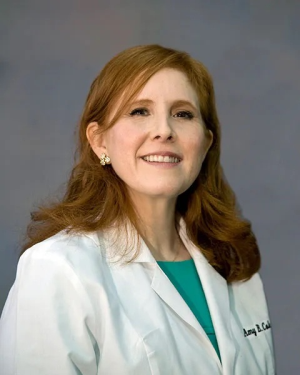
Dr. Amy Cole, MD
Physician
Dermatology
DermAssociates, PC
10313 Georgia Avenue
Suite 309
Silver Spring, Maryland 20902
Website
Suite 309
Silver Spring, Maryland 20902
For an appointment, call
(301) 681-7000
Medical Expertise of Dr. Amy Cole, MD
Diagnosis and treatment of skin conditions, including acne, eczema, rosacea, psoriasis and skin cancer.
About Dr. Amy Cole, MD
Dr. Amy Cole graduated with honors from Washington University in St. Louis with a bachelor's degree in political science and art history. At Cornell University, she earned her medical degree. After medical school, she completed her residency in dermatology at St. Louis University . Dr. Cole has been working in private practice in the Washington , D.C. area since 2002. She is thrilled to work with the Lockshins where she started in 2005. Dr. Cole is a board certified dermatologist and a member of the American Academy of Dermatology.
Patient Education Resources
How do biologics work to treat my psoriasis?
Biologics are a class of medications that are used to treat moderate to severe psoriasis. They are typically used when other treatments, such as topical creams and light therapy, have not been effecti...
Biologics are a class of medications that are used to treat moderate to severe psoriasis. They are typically used when other treatments, such as topical creams and light therapy, have not been effecti...
How do I find out if I have skin cancer?
The best way to find out if you have skin cancer is to have a skin examination performed by a healthcare professional such as a dermatologist. They will visually inspect your skin for any suspicious m...
The best way to find out if you have skin cancer is to have a skin examination performed by a healthcare professional such as a dermatologist. They will visually inspect your skin for any suspicious m...
What are some basic acne skin care tips?
Here are some basic acne skin care tips that may help to reduce the appearance and severity of acne:Cleanse your skin gently: Use a mild, non-abrasive cleanser to wash your face twice a day. Avoid usi...
Here are some basic acne skin care tips that may help to reduce the appearance and severity of acne:Cleanse your skin gently: Use a mild, non-abrasive cleanser to wash your face twice a day. Avoid usi...
What are some treatments to get rid of warts?
The best treatment for warts will depend on the type and location of the wart, as well as the patient's overall health and preferences. Some common treatment options for warts include:Salicylic ac...
The best treatment for warts will depend on the type and location of the wart, as well as the patient's overall health and preferences. Some common treatment options for warts include:Salicylic ac...
What is the treatment for psoriasis on the scalp?
Treatment for psoriasis on the scalp typically involves a combination of topical and systemic therapies.Topical treatments include:Shampoos containing salicylic acid, coal tar, or sulfur, which can he...
Treatment for psoriasis on the scalp typically involves a combination of topical and systemic therapies.Topical treatments include:Shampoos containing salicylic acid, coal tar, or sulfur, which can he...