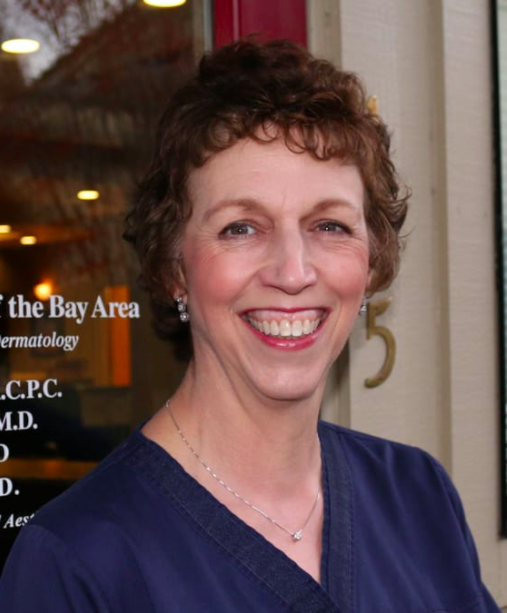
Dr. Carla Fisher, MD
Provide Feedback
Medical Expertise of Dr. Carla Fisher, MD
About Dr. Carla Fisher, MD
Dr. Carla Fisher has practiced medicine for over 20 years and dermatology for more than 16. Her comprehensive approach includes general dermatology, surgical treatment of skin cancers and also cosmetic dermatology. Understanding that effective doctor-patient communication results in better cure rates, disease prevention and patient satisfaction, Dr. Fisher values each patient’s individual needs and concerns.
Dr. Fisher received a Bachelor of Science degree in biology and graduate degree in physiology from the University of California, Riverside. She then attended medical school at the Uniformed Service University of the Health Sciences, F. Edward Hebert School of Medicine in Bethesda, MD, graduating in 1986. She completed an internship in family practice medicine at Naval Hospital, Camp Pendleton, CA; as well as the flight surgery program at Naval Air Station, Pensacola, FL. She served two tours as a naval flight surgeon, becoming one of the first women to deploy on an aircraft carrier throughout the Pacific. Dr. Fisher returned to the National Naval Medical Center in Bethesda to complete her dermatology residence program, subsequently serving as Chief of Dermatology at the Naval Hospitals at Great Lakes, IL and Bremerton, WA before completing her naval career.
Dr. Fisher returned to private practice in Petaluma, California and continues to enjoy building long-term patient relationships.
Patient Education Resources
Truncal acne, which refers to acne that occurs on the trunk of the body (such as the chest and back), may require a slightly different treatment approach than facial acne. This is because the skin on ...
Isotretinoin, previously marketed as Accutane, is a medication that is used to treat severe cystic acne that has not responded to other treatments. Isotretinoin is a form of vitamin A and works by ...
The cost of laser tattoo removal can vary depending on several factors such as the size, location, and color of the tattoo, as well as the number of treatments required to remove it. The cost can also...
Treatment for psoriasis on the scalp typically involves a combination of topical and systemic therapies.Topical treatments include:Shampoos containing salicylic acid, coal tar, or sulfur, which can he...
Treatment for skin cancer will depend on the type and stage of the cancer, as well as the location and size of the tumor, and the patient's overall health. The main treatment options for skin canc...
Education & Training
- Residency: National Capital Consortium
- Internship: Naval Hospital
- Medical School: Uniformed Services University of the Health Sciences
Professional Affiliations
Dermatology Associates of the Bay Area
