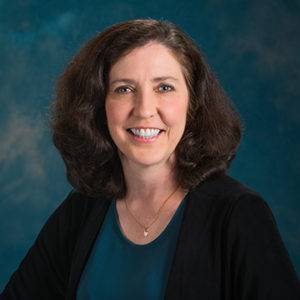
About Dr. Kim Albridge, MD
Kim Albridge, M.D. is a board-certified dermatologist serving the Santa Cruz County area for 20 years. Her areas of expertise include dermatologic and skin cancer surgery, medical dermatology and cosmetic dermatology. “I am excited to be a part of the California Skin Institute team. They are an exceptional group of dermatologic professionals with many available advanced technologies. I am passionate about combining individualized personal attention with state of the art technology to achieve the highest quality of care for my patients.”
Dr. Albridge completed her medical school, medicine internship and dermatology residency all at Stanford University School of Medicine. Her prior education included undergraduate studies at Vanderbilt University in her home state of Tennessee, where she graduated magna cum laude with a double B.S. in Mathematics and Molecular Biology. While in college, she pursued a year abroad at Leeds University in England and discovered her interest in dermatology, joining a research team, during her time there.
Dr. Albridge has been committed to her field and her community. She has been a Volunteer Clinical Faculty at Santa Clara Valley Medical Center Stanford Dermatology Program, participated in numerous community skin screening throughout the years, and provided regular dermatologic presentations to individual programs and medical professionals of Santa Cruz county. She is a fellow of the American Academy of Dermatology, the American Society of Dermatology Surgery, and the Women’s Dermatology Society, and is a member of the Santa Cruz County Medical Society.
Dr. Albridge completed her medical school, medicine internship and dermatology residency all at Stanford University School of Medicine. Her prior education included undergraduate studies at Vanderbilt University in her home state of Tennessee, where she graduated magna cum laude with a double B.S. in Mathematics and Molecular Biology. While in college, she pursued a year abroad at Leeds University in England and discovered her interest in dermatology, joining a research team, during her time there.
Dr. Albridge has been committed to her field and her community. She has been a Volunteer Clinical Faculty at Santa Clara Valley Medical Center Stanford Dermatology Program, participated in numerous community skin screening throughout the years, and provided regular dermatologic presentations to individual programs and medical professionals of Santa Cruz county. She is a fellow of the American Academy of Dermatology, the American Society of Dermatology Surgery, and the Women’s Dermatology Society, and is a member of the Santa Cruz County Medical Society.
Patient Education Resources
Acne Medication Savings
Click on the medication image to access medication savings from the manufacturer. In most cases, this form must be submitted along with proof of having purchased the medication from the pharmacy. ...
Click on the medication image to access medication savings from the manufacturer. In most cases, this form must be submitted along with proof of having purchased the medication from the pharmacy. ...
How is atopic dermatitis different from eczema?
Atopic dermatitis and eczema are often used interchangeably, but they are not exactly the same thing. Atopic dermatitis is a type of eczema.Eczema is a general term that refers to a group of condition...
Atopic dermatitis and eczema are often used interchangeably, but they are not exactly the same thing. Atopic dermatitis is a type of eczema.Eczema is a general term that refers to a group of condition...
How long does it take for a tattoo to disappear after laser tattoo removed?
The length of time it takes to remove a tattoo depends on several factors, including the size, location, and color of the tattoo, as well as the individual's skin type and overall health.The most ...
The length of time it takes to remove a tattoo depends on several factors, including the size, location, and color of the tattoo, as well as the individual's skin type and overall health.The most ...
What is the treatment for psoriasis on the scalp?
Treatment for psoriasis on the scalp typically involves a combination of topical and systemic therapies.Topical treatments include:Shampoos containing salicylic acid, coal tar, or sulfur, which can he...
Treatment for psoriasis on the scalp typically involves a combination of topical and systemic therapies.Topical treatments include:Shampoos containing salicylic acid, coal tar, or sulfur, which can he...
What is the treatment for rosacea affecting my eyes?
Ocular rosacea is a subtype of rosacea that affects the eyes, and it can cause symptoms such as redness, itching, burning, and a gritty sensation in the eyes. Treatment for ocular rosacea typically in...
Ocular rosacea is a subtype of rosacea that affects the eyes, and it can cause symptoms such as redness, itching, burning, and a gritty sensation in the eyes. Treatment for ocular rosacea typically in...
Education & Training
- Residency: Stanford University
- Internship: Stanford University
- Medical School: Stanford University School of Medicine