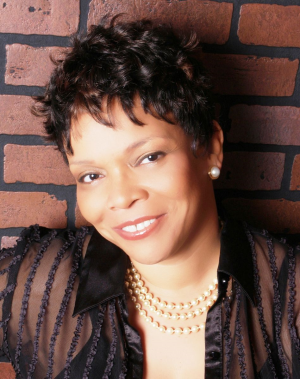
Dr. Sandra Vause, MD
Physician
Dermatology
Provide Feedback
About Dr. Sandra Vause, MD
Dr. Sandra Vause is originally from the Philadelphia area. She graduated from Jefferson Medical College in 1982. Captain Vause served as General Medical Officer in the U.S. Public Health Service from 1983 to 1986. Her specialty of training in Dermatology was at Howard University Hospital and sub-specialty Fellowship training in Dermatologic Cosmetic Surgery at Gulf South Medical-Surgical Institute. Dr. Vause is certified by the American Board of Dermatology, the American Board of Cosmetic Surgery and Executive Board of Dermatology Society of New Jersey. She has worked in the private sector since 1988.
Patient Education Resources
How can a dermatologist make me appear more youthful?
A dermatologist can make you appear more youthful by using a variety of treatments, such as:Topical creams and serums that contain ingredients like retinoids and hyaluronic acid to improve skin textur...
A dermatologist can make you appear more youthful by using a variety of treatments, such as:Topical creams and serums that contain ingredients like retinoids and hyaluronic acid to improve skin textur...
How do biologics work to treat my eczema?
Biologics are a class of medications that can be used to treat eczema, a chronic skin condition characterized by inflammation and itching. Biologics work by targeting specific parts of the immune syst...
Biologics are a class of medications that can be used to treat eczema, a chronic skin condition characterized by inflammation and itching. Biologics work by targeting specific parts of the immune syst...
How do biologics work to treat my psoriasis?
Biologics are a class of medications that are used to treat moderate to severe psoriasis. They are typically used when other treatments, such as topical creams and light therapy, have not been effecti...
Biologics are a class of medications that are used to treat moderate to severe psoriasis. They are typically used when other treatments, such as topical creams and light therapy, have not been effecti...
What can reduce the appearance of my acne scars?
Acne scars can be treated with a variety of methods, including:Topical treatments: Topical creams and gels containing ingredients such as retinoids, hydroquinone, and vitamin C can help to reduce the ...
Acne scars can be treated with a variety of methods, including:Topical treatments: Topical creams and gels containing ingredients such as retinoids, hydroquinone, and vitamin C can help to reduce the ...
What is microneedling?
Microneedling is a cosmetic procedure that involves using a device with fine needles to create tiny punctures in the skin. The needles are typically between 0.5mm and 2.5mm in length, and are used to ...
Microneedling is a cosmetic procedure that involves using a device with fine needles to create tiny punctures in the skin. The needles are typically between 0.5mm and 2.5mm in length, and are used to ...
Education & Training
- Residency: Howard University
- Internship: Alameda County Medical Center
- Medical School: Sidney Kimmel Medical College