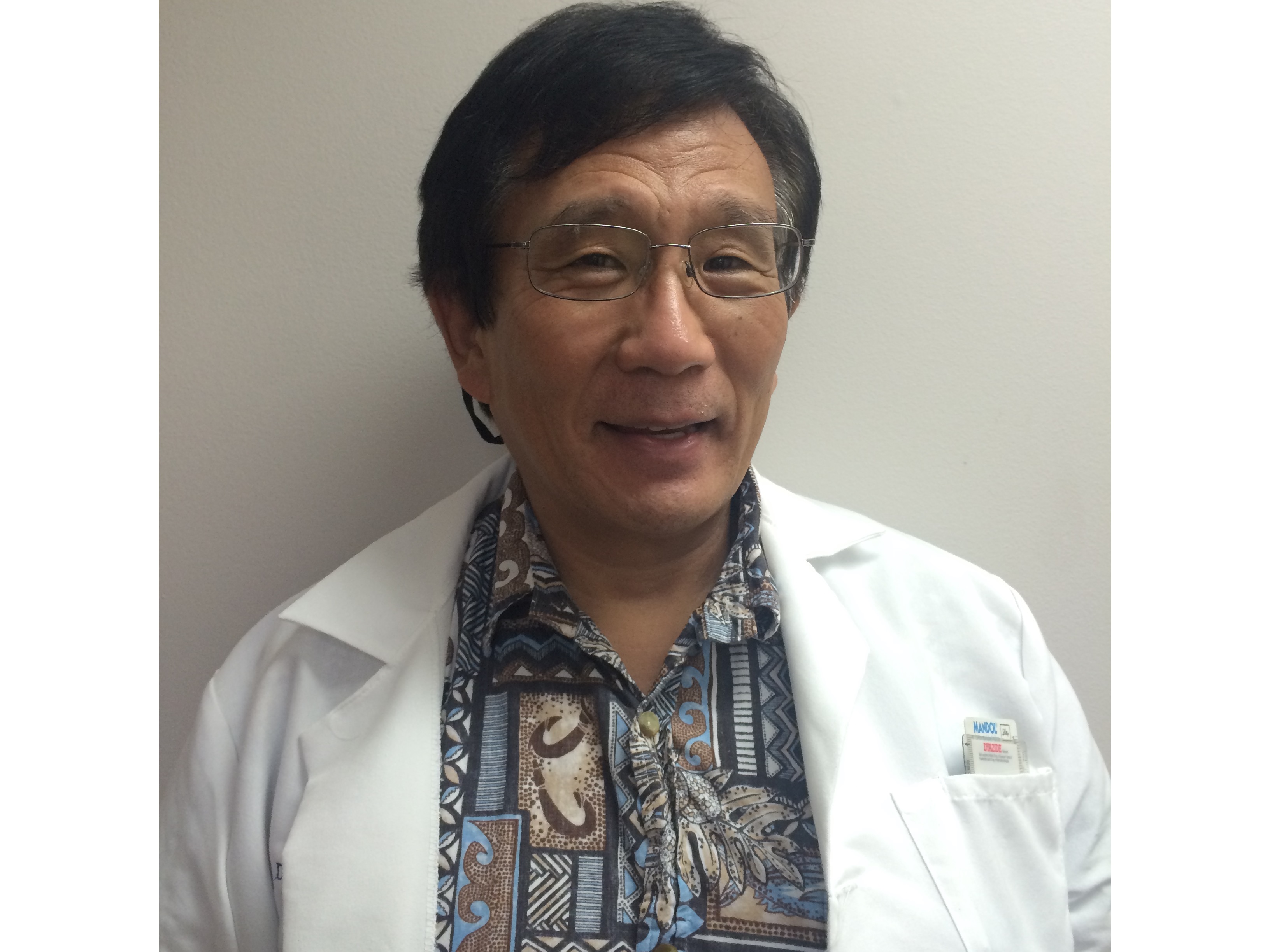
About Dr. Douglas Chun, MD
Dr. Chun is an experienced, board-certified dermatologist who practiced for 22 years at Kaiser in Moanalua. He was appointed as the Chief of the Dermatology department for 10 of those years. He is a tremendous asset to our practice, and will provide the same outstanding care you have come to expect from us.
- Medical and Surgical Dermatology
- Serving Hawaii since 1990
- Chief of Dermatology, Kaiser Permanente 1991-2001
- Board-certified in 1990
- Fellow of the American Academy of Dermatology
- Active member and Past-President of the Hawaii Dermatologic Society
- Medical Degree from University of California Davis
- Dermatology Residency at University of Southern California Medical Center
Patient Education Resources
How can a dermatologist make me appear more youthful?
A dermatologist can make you appear more youthful by using a variety of treatments, such as:Topical creams and serums that contain ingredients like retinoids and hyaluronic acid to improve skin textur...
A dermatologist can make you appear more youthful by using a variety of treatments, such as:Topical creams and serums that contain ingredients like retinoids and hyaluronic acid to improve skin textur...
How can I reduce the skin redness caused by rosacea?
There are several ways to reduce the skin redness caused by rosacea:Avoiding triggers: Triggers such as sun exposure, wind, high temperatures, stress, spicy foods, and alcohol, can worsen the symptoms...
There are several ways to reduce the skin redness caused by rosacea:Avoiding triggers: Triggers such as sun exposure, wind, high temperatures, stress, spicy foods, and alcohol, can worsen the symptoms...
If I have psoriasis, am I likely to get arthritis?
Psoriasis is a chronic skin condition that causes red, scaly patches on the skin. It affects about 2-3% of the population. People with psoriasis are at an increased risk of developing a form of arthri...
Psoriasis is a chronic skin condition that causes red, scaly patches on the skin. It affects about 2-3% of the population. People with psoriasis are at an increased risk of developing a form of arthri...
What are some tips for treating dry skin?
Dry skin can be caused by a variety of factors, such as cold weather, low humidity, harsh soaps, and certain medical conditions. Here are some tips for treating dry skin:Moisturize: Moisturizing is th...
Dry skin can be caused by a variety of factors, such as cold weather, low humidity, harsh soaps, and certain medical conditions. Here are some tips for treating dry skin:Moisturize: Moisturizing is th...
What are some treatments to get rid of warts?
The best treatment for warts will depend on the type and location of the wart, as well as the patient's overall health and preferences. Some common treatment options for warts include:Salicylic ac...
The best treatment for warts will depend on the type and location of the wart, as well as the patient's overall health and preferences. Some common treatment options for warts include:Salicylic ac...