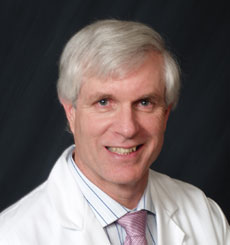
Medical Expertise of Dr. Mitchell Schwartz, MD
About Dr. Mitchell Schwartz, MD
Dr. Schwartz was born and raised in Philadelphia, Pennsylvania. His college degree was from Temple University where he majored in chemistry and mathematics. At graduation, he received the Herbert M. Winegard Memorial Award for graduating first in his class and the Award of the American Institute of Chemists for excellence in chemistry. Dr. Schwartz received his medical degree from Hahnemann Medical College in Philadelphia, Pennsylvania in 1977. After an internship and residency in internal medicine at St. Mary’s Hospital, a major affiliate of Yale University, he completed his dermatology residency at Geisinger Medical Center in Danville, Pennsylvania. Dr. Schwartz is board certified by the American Board of Dermatology. He has over 30 years’ experience in medical, surgical and cosmetic dermatology. Dr. Schwartz is on the medical staff of the University of Vermont Medical Center. He is a member of the American Academy of Dermatology, the American Society for Dermatologic Surgery, the American Society of Cosmetic Dermatology & Aesthetic Surgery, the New England Dermatologic Society, and the Vermont Dermatology Society. He is a past president of the New Hampshire Dermatology Society. Dr. Schwartz practices medical, surgical and cosmetic dermatology in South Burlington, Vermont. For several years, he was also the director and sole injector for the Aesthetic Institute of West Florida. Because of his experience and expertise in cosmetic dermatology, Dr. Schwartz was invited to be a member of the Medical Education Faculty for Bioform Medical Corporation, makers of Radiesse, a leading facial filler. He instructs and trains other physicians how to assess the aging face and how to use injection techniques to maximize results. Due to his experience and training, Dr. Schwartz is the only physician in Vermont who can inject Sculptra Aesthetic, a new longer term anti-aging treatment for facial volume replacement.
Patient Education Resources
CoolSculpting® is a non-surgical, non-invasive procedure that uses a device to cool targeted areas of fat, causing the fat cells to freeze and die. Over time, the body naturally eliminates these d...
The cost of getting a tattoo and the cost of having it removed can vary depending on several factors such as the size, location, and complexity of the tattoo, as well as the experience and reputation ...
There is some evidence to suggest that diet can play a role in the development of acne. Studies have found that a diet high in sugar and processed foods can increase the risk of developing acne. Diets...
Biologics are a class of medications that are used to treat moderate to severe psoriasis. They are typically used when other treatments, such as topical creams and light therapy, have not been effecti...
Click on the image to access medication savings In most cases, this form must be submitted along with proof of having purchased the medication from the pharmacy. Offers may be time-limit...
Education & Training
- Residency: Geisinger Health System
- Residency: St Mary's Hospital
- Medical School: Drexel University College of Medicine
Professional Affiliations

Dorset Street Dermatology