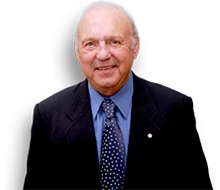
About Dr. Roger Byrd, DO
Dr. Roger C. Byrd is a Board Certified Dermatologist who has been practicing in the Rochester area for the past 30 years. He is always at the forefront of the latest research and technologies in cosmetic dermatology. Healthy skin has always been a primary focus for him and his patients.
Dr. Roger C. Byrd is Certified by the American Osteopathic Board of Dermatology. He is a member of the American Academy of Dermatology, the American Osteopathic Association, the American Osteopathic College of Dermatology, the Michigan Association of Osteopathic Physicians and Surgeons, the Michigan Dermatologic Society, the Dermatology Foundation and the International Society of Dermatologic Surgery. He is a past president of the American Osteopathic College of Dermatology and a member of the Rochester Rotary Club.
Dr. Roger C. Byrd is on staff at William Beaumont Hospital and the Crittenton Hospital Medical Center.
Dr. Roger C. Byrd is Certified by the American Osteopathic Board of Dermatology. He is a member of the American Academy of Dermatology, the American Osteopathic Association, the American Osteopathic College of Dermatology, the Michigan Association of Osteopathic Physicians and Surgeons, the Michigan Dermatologic Society, the Dermatology Foundation and the International Society of Dermatologic Surgery. He is a past president of the American Osteopathic College of Dermatology and a member of the Rochester Rotary Club.
Dr. Roger C. Byrd is on staff at William Beaumont Hospital and the Crittenton Hospital Medical Center.
Patient Education Resources
How do biologics work to treat my psoriasis?
Biologics are a class of medications that are used to treat moderate to severe psoriasis. They are typically used when other treatments, such as topical creams and light therapy, have not been effecti...
Biologics are a class of medications that are used to treat moderate to severe psoriasis. They are typically used when other treatments, such as topical creams and light therapy, have not been effecti...
How do I find out if I have skin cancer?
The best way to find out if you have skin cancer is to have a skin examination performed by a healthcare professional such as a dermatologist. They will visually inspect your skin for any suspicious m...
The best way to find out if you have skin cancer is to have a skin examination performed by a healthcare professional such as a dermatologist. They will visually inspect your skin for any suspicious m...
How is atopic dermatitis different from eczema?
Atopic dermatitis and eczema are often used interchangeably, but they are not exactly the same thing. Atopic dermatitis is a type of eczema.Eczema is a general term that refers to a group of condition...
Atopic dermatitis and eczema are often used interchangeably, but they are not exactly the same thing. Atopic dermatitis is a type of eczema.Eczema is a general term that refers to a group of condition...
What are the possible treatments for my actinic keratoses?
Actinic keratoses (AKs) are precancerous skin lesions that can develop into squamous cell carcinoma, a type of skin cancer. Treatment options for AKs include:Cryotherapy: This procedure involves freez...
Actinic keratoses (AKs) are precancerous skin lesions that can develop into squamous cell carcinoma, a type of skin cancer. Treatment options for AKs include:Cryotherapy: This procedure involves freez...
What is the treatment for severe atopic dermatitis?
The treatment for severe atopic dermatitis will depend on the individual case, but it may include a combination of the following:Topical corticosteroids: Topical corticosteroids can be used to reduce ...
The treatment for severe atopic dermatitis will depend on the individual case, but it may include a combination of the following:Topical corticosteroids: Topical corticosteroids can be used to reduce ...