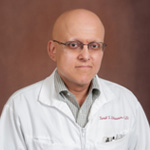
Medical Expertise of Dr. Sunil Dhawan, MD
Diagnosis and treatment of skin conditions, including acne, eczema, rosacea, psoriasis and skin cancer.
About Dr. Sunil Dhawan, MD
Dr. Dhawan is a graduate of San Francisco State University and the University of Southern California School of Medicine. He completed an internship and residency in Internal Medicine at U.C.S.F followed by a residency in dermatology at Mount Sinai Hospital in Miami, where he was also Chief Resident. He is Board Certified in Internal Medicine and Dermatology.
Dr. Dhawan is a Fellow of the American College of Physicians and the American Academy of Dermatology. He also is an Adjunct Clinical Assistant Professor at the Stanford University, Department of Dermatology, where he teaches dermatology residents and medical students. In addition to English, he speaks Hindi.
Patient Education Resources
CoolSculpting® is a non-surgical, non-invasive procedure that uses a device to cool targeted areas of fat, causing the fat cells to freeze and die. Over time, the body naturally eliminates these d...
Botox® (botulinum toxin type A) is a medication that is primarily used to temporarily paralyze specific muscles in the face and body.It is most often used to improve the appearance of wrinkles and...
Facial rejuvenation refers to a variety of cosmetic treatments that are designed to improve the appearance of the face and make it look more youthful. These treatments can include a combination of non...
Ocular rosacea is a subtype of rosacea that affects the eyes, and it can cause symptoms such as redness, itching, burning, and a gritty sensation in the eyes. Treatment for ocular rosacea typically in...
There are several medications that can be used to treat acne, including:Topical retinoids (e.g. tretinoin, adapalene)Topical antibiotics (e.g. clindamycin, erythromycin)Topical benzoyl peroxideOral an...